
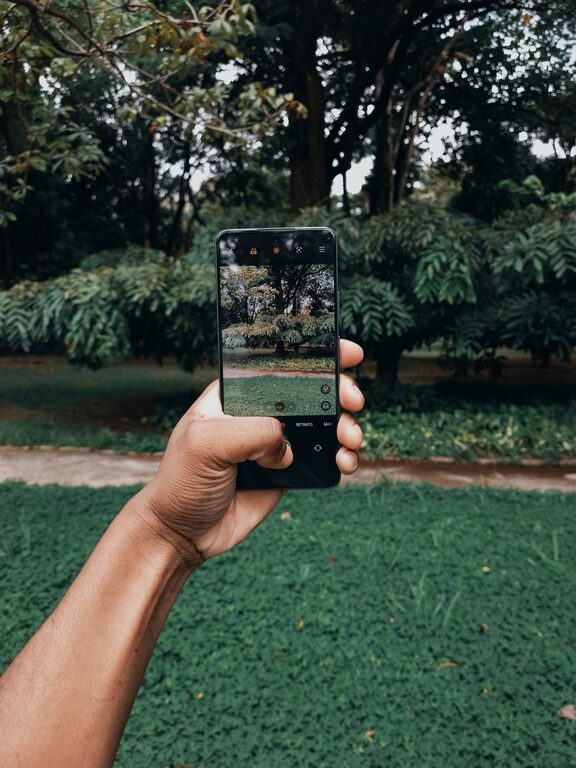
Beginner Tips for Taking Better Phone Photos
Taking great photos with your phone is easier than you might think. With a few simple techniques and a little practice, you can transform ordinary snapshots into impressive images. Whether you’re capturing moments with friends, exploring nature, or documenting your travels, these beginner tips will help you make the most of your smartphone camera.
Understand Your Phone Camera’s Basics
Before diving into advanced techniques, take a moment to explore your phone’s camera settings. Familiarize yourself with features such as:
– Focus and exposure: Most phones let you tap the screen to focus on a specific area and adjust the exposure (brightness).
– Camera modes: Experiment with modes like Portrait, Panorama, or Night Mode.
– Grid lines: Turning on grid lines helps you apply the rule of thirds, a simple composition guideline to make your photos more balanced.
Use Natural Light Whenever Possible
Lighting is one of the most important factors in photography:
– Shoot in soft light: Early morning and late afternoon offer gentle, warm light that produces flattering photos.
– Avoid harsh midday sun: This can create strong shadows and highlights.
– Use shade: If shooting in bright sunlight, find some shade to reduce harsh contrasts.
– Don’t rely on your phone’s flash: The built-in flash often creates flat and unnatural lighting.
Compose Your Shot Thoughtfully
Good composition draws the viewer’s eye and adds interest to your photos:
– Apply the rule of thirds: Imagine your frame divided into nine equal squares. Position important elements along these lines or their intersections.
– Look for leading lines: Roads, fences, and pathways can guide the viewer’s gaze into the photo.
– Fill the frame: Get closer to your subject instead of zooming, which can reduce image quality.
– Keep it simple: Avoid cluttered backgrounds that distract from your subject.
Keep Your Phone Steady
Blurred photos often result from shaky hands. To keep your phone stable:
– Hold your phone with both hands.
– Lean against a solid surface like a wall or table.
– Use a tripod or phone stand for extra stability, especially in low light conditions.
– Use the timer or voice command to avoid jostling your phone when tapping the shutter button.
Experiment with Different Angles and Perspectives
Changing your viewpoint can dramatically improve your photos:
– Try shooting from low angles to make subjects look larger or more dynamic.
– Shoot from above to capture interesting patterns or group shots.
– Move around your subject to find the most flattering or unique perspective.
– Avoid always shooting at eye level as it can make images look flat and predictable.
Edit Your Photos to Enhance Them
Editing can bring out the best in your photos without needing professional software.
– Use built-in editing tools on your phone to adjust brightness, contrast, and color.
– Crop to improve composition or remove distractions.
– Apply filters sparingly: natural-looking adjustments work best.
– Try popular apps like Snapseed, VSCO, or Lightroom Mobile for more advanced editing features.
Practice Regularly and Review Your Shots
Like any skill, phone photography improves with practice.
– Take photos frequently to experiment with different techniques and subjects.
– Review your images critically to see what works and what doesn’t.
– Learn from others by following photography blogs, social media accounts, or joining photography communities.
Helpful Tips Summary
– Explore your camera settings and features.
– Use natural, soft light and avoid harsh flash.
– Apply basic composition rules like the rule of thirds.
– Keep your phone steady to prevent blur.
– Experiment with angles and framing.
– Edit photos to enhance, not overdo.
– Practice often and learn from your results.
With these beginner-friendly tips, you’ll be well on your way to taking better phone photos and capturing moments that truly stand out. Have fun exploring and sharing your photography journey!
