
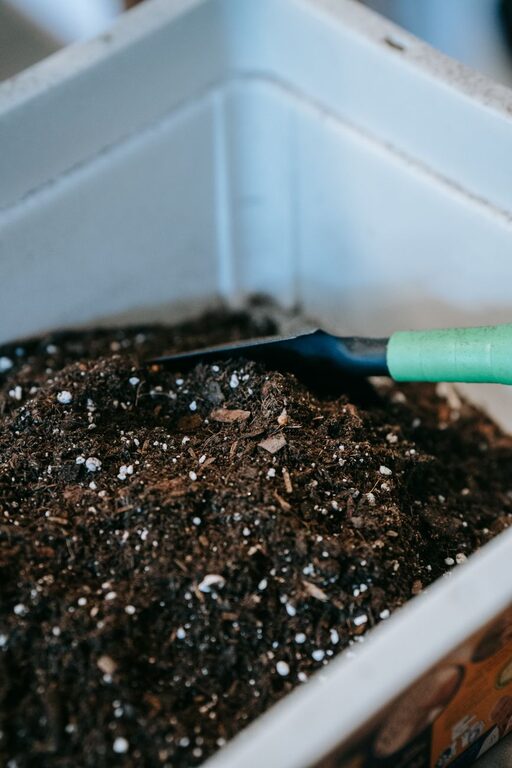
Beginner Tips for Composting at Home: A Simple Guide
Composting at home is a great way to reduce waste, enrich your soil, and support a healthier garden. If you’re new to composting, the process may seem confusing at first, but with a few simple tips, anyone can start turning everyday scraps into valuable compost. This guide will walk you through the basics of home composting and help you set up a system that’s right for you.
What Is Composting?
Composting is the natural process of recycling organic matter, such as food scraps and yard waste, into a rich soil amendment called compost. Microorganisms break down these materials over time, creating a dark, crumbly substance that improves soil health and supports plant growth.
Benefits of Composting at Home
– Reduces landfill waste: Composting keeps kitchen scraps and yard waste out of the trash, reducing methane emissions from landfills.
– Improves soil quality: Compost adds nutrients and beneficial microbes to garden soil.
– Saves money: By enriching your soil, compost can reduce the need for chemical fertilizers.
– Supports plant health: Compost helps plants retain moisture and resist pests.
Choosing a Composting Method
There are several ways to compost at home. Here are the main options:
Outdoor Compost Bin or Pile
– Suitable for people with yards or garden space.
– Requires a bin or a designated pile area.
– Can handle larger amounts of organic waste.
Worm Composting (Vermicomposting)
– Uses red wiggler worms to break down food scraps.
– Ideal for indoor use or small spaces.
– Produces nutrient-rich worm castings.
Tumbler Composters
– Enclosed containers that can be rotated to mix compost.
– Speeds up decomposition.
– Keeps pests out and is generally neater.
Bokashi Composting
– Ferments food waste using special bran.
– Suitable for all food types, including meat and dairy.
– Requires a Bokashi bin and additional processing after fermentation.
What Can You Compost?
Knowing what to compost is key to success. Compost materials generally fall into two categories: greens and browns.
Greens (Nitrogen-Rich)
– Fruit and vegetable scraps
– Coffee grounds and filters
– Tea bags (non-plastic)
– Fresh grass clippings
– Plant trimmings
Browns (Carbon-Rich)
– Dry leaves
– Straw or hay
– Shredded newspaper or cardboard
– Sawdust (from untreated wood)
– Wood chips
Balance is important: A good mix of greens and browns helps maintain proper moisture and airflow.
What Not to Compost
Avoid adding these items, as they can cause odors, attract pests, or introduce harmful pathogens:
– Meat, fish, and bones
– Dairy products
– Greasy or oily food scraps
– Pet waste
– Diseased plants or invasive weeds
– Synthetic materials like plastics or metals
Getting Started: Step-by-Step Guide
1. Choose Your Composting Spot
Pick a well-drained area with some shade if outdoors. If using an indoor system like vermicomposting, find a cool, dark spot.
2. Gather a Compost Container
Buy or build a compost bin, or use a compost tumbler. You can also start a simple compost pile directly on the ground.
3. Collect Compost Materials
Keep a kitchen compost bin or a compost caddy with a lid to collect scraps. Empty it frequently to avoid odors.
4. Layer Your Materials
Start with a layer of browns about 4 to 6 inches thick, then add a layer of greens about 2 to 4 inches thick. Alternate layers and continue this pattern.
5. Maintain Your Pile
– Aerate: Turn your compost every 1 to 2 weeks to provide oxygen.
– Moisture: Compost should be damp but not soggy—like a wrung-out sponge.
– Temperature: Active compost heats up due to microbial activity; this speeds decomposition.
6. Monitor and Troubleshoot
– If compost smells bad, add more browns and aerate.
– If it’s too dry, add water or greens.
– Remove any large or slow-decomposing pieces.
7. Harvest Your Compost
After a few months, your compost should look dark and crumbly with an earthy smell. Use it in your garden beds, pots, or as mulch.
Tips for Success
– Chop or shred materials before adding them to speed decomposition.
– Avoid adding too much of one type of material to keep balance.
– Use a compost thermometer for larger piles to track temperature.
– Be patient; composting can take anywhere from a few weeks to several months.
– Educate household members on what can and can’t go into the compost.
Conclusion
Composting at home is an easy, rewarding way to reduce waste and create nutrient-rich soil for your garden. By choosing the right method, balancing materials, and maintaining your compost, you can enjoy the benefits of this eco-friendly practice. Start small, be consistent, and watch your scraps transform into “black gold” that will help your plants thrive.
Happy composting!
