
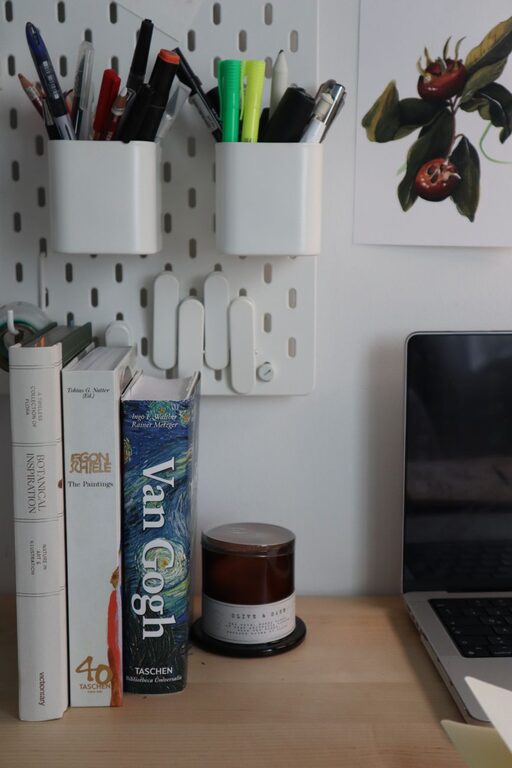
Simple Ways to Reduce Household Paper Clutter Quickly
Managing paper clutter at home can feel overwhelming, but with a few simple habits and practical solutions, you can reduce the mess and enjoy a tidier living space. Paper clutter not only takes up valuable space but can also add to your stress when searching for important documents. This guide will walk you through straightforward ways to keep paper under control and maintain an organized home.
Why Paper Clutter Happens
Paper tends to accumulate because it comes in so many forms: mail, receipts, bills, schoolwork, magazines, and more. Without a system to manage these papers, piles quickly grow and become unmanageable. Understanding the root causes can help you create better habits:
– Lack of a consistent sorting place
– Letting mail pile up without immediate review
– Keeping unnecessary documents “just in case”
– Not having a clear filing system
Now that we know the why, let’s explore how to reduce the clutter.
Step 1: Create a Paper Management Station
Designate a specific area in your home for handling all incoming paper. This could be a small desk with trays or baskets, or even a wall-mounted organizer near the entrance.
What you need:
– An inbox tray for new mail and documents
– Outbox trays labeled “To File,” “To Do,” and “To Shred”
– A small shredder for immediate disposal of sensitive papers
– Filing folders or boxes for important papers you keep
Having a dedicated spot helps prevent papers from spreading around the house and gives you a clear process to follow.
Step 2: Sort Paper Daily or Weekly
Don’t let papers pile up. Set aside 10–15 minutes daily or weekly to go through your inbox tray and sort papers into categories:
– Important documents to file
– Bills and items that require action
– Junk mail or unwanted flyers to recycle immediately
– Receipts and warranties to keep temporarily
By regularly processing papers, you avoid the buildup of overwhelming stacks.
Step 3: Go Digital When Possible
Reducing paper starts with accepting digital alternatives for bills, statements, and documents.
Tips to go paperless:
– Sign up for electronic billing and bank statements
– Use apps to scan and organize receipts or important documents
– Subscribe to digital magazines and newsletters
– Use cloud storage services for personal records
Digital files take up no physical space and are often easier to search and backup.
Step 4: Use a Simple Filing System
For papers you must keep (like tax returns or insurance policies), develop a straightforward filing system that works for you.
Filing system ideas:
– Use labeled folders or binders by category (finances, medical, home, school, etc.)
– Arrange files alphabetically or by date
– Store files in a central location, such as a filing cabinet or portable file box
– Regularly review and purge old files that are no longer needed
Keeping a simple system reduces the time spent searching for documents.
Step 5: Reduce Incoming Paper
One of the best ways to cut down clutter is to reduce how much paper enters your home.
How to reduce mail:
– Opt-out of unsolicited catalogs and junk mail through services like DMAchoice
– Contact companies directly to switch to email communication
– Consolidate subscriptions and newspapers to digital versions
Less incoming paper means less sorting and storing.
Step 6: Manage Children’s Papers Thoughtfully
Children often produce lots of artwork, school papers, and projects that can quickly clutter your space.
Ideas for handling kids’ papers:
– Create an art display area where favorite pieces can be showcased temporarily
– Photograph or scan artwork before recycling
– Keep a memory box for select special items
– Regularly involve your child in deciding what to keep or toss
Balancing sentimental value and space helps manage the volume.
Step 7: Recycle and Shred Promptly
Have a recycling bin easily accessible for paper you no longer need. For sensitive documents with personal information, use a shredder to protect your privacy.
Tips:
– Set a routine to empty recycling weekly
– Shred bank statements, credit card offers, and medical documents as soon as possible
– Choose a paper shredder appropriate for your volume and security needs
Prompt disposal keeps clutter from returning.
Step 8: Maintain Your System
The key to lasting paper clutter control is regular maintenance.
– Schedule monthly “paper check” sessions
– Keep your paper management station tidy and stocked
– Adjust your system as your needs change
– Involve household members to keep everyone on the same page
Consistency over time will keep your home paper-free and organized.
Final Thoughts
Reducing household paper clutter doesn’t have to be complicated or time-consuming. By creating a simple system, going digital, and regularly sorting papers, you can enjoy a cleaner, more peaceful home environment. Start small, stay consistent, and you’ll soon see the benefits of a clutter-free lifestyle.
Remember, the goal is progress, not perfection. Every little step counts toward a more organized home!
